Sunday, January 15, 2012

Seared Lamb with Balsamic sauce


So yesterday, I reprinted one of my favorite food posts from my other blog, Keith's Space. I wrote that post three years ago....but it's the type of post I'm going to do more of..and the type I originally thought of doing when I created this blog.

That said...It is Sunday and I have a nice lamb recipe for a Sunday dinner meal...

INGREDIENTS:


2 teaspoons olive oil $
Click to see savings

8 (4-ounce) lamb loin chops, trimmed $
Click to see savings

1/2 teaspoon kosher salt 1/4 teaspoon freshly ground black pepper $
Click to see savings

1 cup finely chopped red onion $
Click to see savings

2 garlic cloves, chopped $
Click to see savings

1/4 cup dry red wine $
Click to see savings

1/3 cup fat-free, lower-sodium beef broth $
Click to see savings

2 tablespoons balsamic vinegar $
Click to see savings

DIRECTIONS:

Heat olive oil in a large nonstick skillet over medium-high heat.

Sprinkle lamb loin chops with salt and pepper. Add lamb to pan, and cook 3 minutes or until browned.

Turn lamb over, and cook 4 minutes or until desired degree of doneness.

Remove lamb from pan; keep warm.

Add chopped onion and garlic to pan; cook 3 minutes or until onion is tender. Add wine; bring to a boil. Cook 3 minutes or until liquid evaporates.

Stir in broth and balsamic vinegar; bring to a boil. Cook 2 minutes or until reduced to about 2/3 cup.

Serve sauce with lamb, enjoy!

Saturday, January 14, 2012

The Foods Of Love


On Valentine's Day, there are certain foods you can eat that can possibly be aphrodisiacs. I have heard this for years and have wondered aloud if this could be possible or if it was just the stuff of legend. Well, apparently there is a scientific basis to all of this and the great editors of Men's Health will once again enlighten everyone on this subject...


Have Sex for Dessert
A meal that leads to bed but, not for sleep.
by the Editors of Men's Health

What fuels great sex? The clichéd stimulants, such as oysters and avocados, "aren't necessarily valid aphrodisiacs," says Barry Swanson, Ph.D., a professor of food science at Washington State University. Follow our menu for a libido-lifting, energy-boosting, three-course meal that will guarantee she stays for breakfast. Bon appétit! Your catch of the day starts here... GO!

FIRST COURSE

Drink: A glass of red wine
Why: Grape skins contain the antioxidant resveratrol, the closest thing we have to an actual aphrodisiac. It increases estrogen production, say Northwestern University researchers, and that heightens sexual appetite and makes lubrication easier for her later in the evening.
Red wines from muscadine grapes have a higher resveratrol content than other reds do, say researchers at Mississippi State University. But too much vino in too little time forces the body to absorb the alcohol quickly, causing drowsiness.

Appetizer: Shrimp cocktail
Why: The zinc-dense shrimp increase sperm levels and make orgasms more powerful, according to a study in Fertility and Sterility. They also contain a stress-reducing amino acid and the feel-good hormone serotonin.

SECOND COURSE

Entrée: Filet mignon au poivre (6 oz)
Why: High-protein foods boost production of dopamine and norepinephrine, hormones that increase alertness and assertiveness. Eating too much (and this goes for everything on the menu) can trigger your body to release cytokines—hormones that induce sleep. Black pepper aids digestion, according to an Indian Journal of Medical Research study, and is helpful for any energetic activities after dinner.

Side: Baked sweet potato
Why: It's high in potassium, which helps reduce stress, a great way to curb performance anxiety later that night. "The thing to avoid is dumping on a lot of salt, because the sodium can inhibit the potato's potassium," says Swanson. Top the potato with a dollop of sour cream, another source of libido-friendly protein.

Side: Spinach salad
Why: Spinach is a potent source of magnesium, which helps dilate blood vessels, ensuring the smooth bloodflow that's crucial for strong erections, according to Japanese researchers.

THIRD COURSE
Dessert: Fresh raspberries drizzled with melted dark chocolate
Why: British scientists have discovered that women release four times more endorphins after eating chocolate than they do after making out. The caffeine in chocolate also increases your alertness for what's to come after dessert. Try using Chocolove's Extra Strong Dark Chocolate (77 percent cacao) on the raspberries, and pair them with a glass of port. You'll get a double dose of polyphenols, antioxidants that increase your HDL (good) cholesterol.

Recipe for Seduction:

Seal the deal with these three dinner moves...

1. Strategize Your Seating: Arrange the table so she'll sit with her back to the wall. "She'll feel like all your attention is focused on her instead of wandering about the room," says Joy Davidson, Ph.D., author of Fearless Sex.

2. Don't Hurry to the Table: Meeting her at your front door with the food already on the table can be awkward. Instead, greet her with a glass of wine, give her a quick tour, and then seat her near the counter to watch you prep.

3. Skip the Movie: "Rushing isn't sexy," says April Masini, author of Date Out of Your League. Time-sensitive activities, like going to the movies, are better for when you're not tied to a stove.


(This was originally published in "Keith's Space" in 2008)

Wednesday, January 11, 2012

Spanakopita


Okay...the name of this alone should peak your interest.....I know it did mine...

Prep Time:30 Minutes

Cook Time:1 Hour

Ready In:1 Hour & 30 Minutes

INGREDIENTS:

5 (10 ounce) packages frozen chopped spinach - thawed, drained and squeezed dry

6 eggs

1 cup chopped fresh dill leaves

1 large onion, chopped

1 pound crumbled feta cheese

1/2 pound cottage cheese

1 teaspoon ground black pepper, or to taste

8 sheets phyllo dough, thawed

3 tablespoons olive oil, divided

sour cream for garnish (optional)


DIRECTIONS:


1.Preheat oven to 375 degrees F (190 degrees C).

2.Place the spinach, eggs, dill, onion, feta cheese, cottage cheese, and black pepper into a large bowl, and mix well.

3.Place 2 sheets of phyllo dough into the bottom of a 9x13-inch baking dish, and drizzle with about 1 tablespoon of olive oil; top with 2 more sheets of phyllo dough. Spread the spinach filling evenly over the sheets of phyllo, pat it down gently, and top with 2 more sheets of phyllo. Drizzle with 1 more tablespoon of olive oil, and top with the remaining 2 phyllo sheets. Drizzle with remaining 1 tablespoon olive oil.

4.Bake in the preheated oven until the top is browned and the filling is set, about 1 hour. To serve, cut into squares and top each square with a dollop of sour cream.


At best this is something nice and different to serve the next time you have that dinner party.....I don't even know what to tell you to have with this.....but enjoy!

Sunday, January 8, 2012

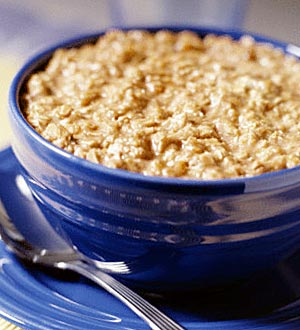
Oatmeal (Why you should eat it!)


It's one of the few breakfast foods that is actually good for you that I actually like...You know how it is folks..Most foods that your doctor tells you  you should eat are usually things that you either don't like or bore you at just the thought of partaking.

Oatmeal is not one of those foods... At least not to me...I have always loved it..You can add a little cinnamon, add sugar, warm milk, raisons, strawberrys, nuts....MMMM Good...And I'm not being funny...I love it..Year round...

Now, let me tell you why YOU should love it...

Although oatmeal isn't particularly low on the glycemic index, it outranks almost every other breakfast cereal and most of your  whole-grain breakfast products. Oatmeal is also regarded as a super food when it comes to supporting digestive health. For those reasons, many medical practitioners and nutritionists not only allow their diabetic patients to eat oatmeal but actually encourage it, especially since oatmeal helps maintain normal blood sugar levels.


Here is why it works: Carbohydrates spend the least amount of time in the stomach, which means you get a quick boost of energy. But unlike processed, sugary cereals, whole oats don't result in a sugar crash. The high dietary fiber content in oats helps you feel full longer, preventing overeating throughout the day, which can lead to weight gain, sluggishness, and fatigue. Fiber is also crucial to healthy digestion; the soluble fiber in oats feeds the beneficial bacteria in your digestive tract and prevents energy-draining constipation.

In addition to its high fiber content, oatmeal provides magnesium, protein, and phosphorus, three nutrients that significantly and directly affect energy levels, making it an ideal food for fighting fatigue. It's also a good source of vitamin B1 (thiamin), which is crucial for producing energy. Symptoms of too little B1 include a lack of energy and loss of appetite. Along with other nutrients, vitamin B1 helps support the breakdown and conversion to energy of the food we eat.


Here's when to eat it: Eat oatmeal first thing in the morning for instant energy. Breakfast is especially important because it replenishes energy reserves and sets the tone for your day.

Here's how to enjoy it: Go old school, minimally processed organic oats, and avoid the instant and flavored varieties. Hint: Look for oats labeled "Scottish," "Irish," "steel-cut," "thick cut," or "Old-fashioned," and you'll be on the right track.

Enjoy!

Wednesday, January 4, 2012

Mashed Sweet Potatoes..


I must admit...I had never heard of this dish until I happened to dine at a local soul food establishment and they served it...I've been hooked ever since...Special thanks to my good friend, Chef Tamika..who shared this recipe with me-

INGREDIENTS:

10 cups sweet potatoes, peeled and chopped

1/4 to 1/2 cup butter

3 tablespoons honey

1/4 teaspoon ground cinnamon

1/4 teaspoon kosher salt


DIRECTIONS:

Add the potatoes to a large Dutch oven and cover with water. Bring to a boil over medium-high heat.

Reduce the heat and simmer or until the potatoes are tender, about 8 to 10 minutes, drain well.

Return the potatoes to the Dutch oven and add the butter, honey, cinnamon, and salt. Beat at medium-low speed with an electric mixer until smooth. Transfer to a serving bowl and serve hot.


Cook's Note: For more sweetness, add more honey.  You can also use sugar in place of salt.


You can serve these with almost anything...Enjoy!

Sunday, January 1, 2012

Banana Crumb Muffins


Let's start the New Year off right with a nice sweet treat...Banana Crumb Muffins!

INGREDIENTS:

1 1/2 cups all-purpose flour

1 teaspoon baking soda

1 teaspoon baking powder

1/2 teaspoon salt

3 bananas, mashed

3/4 cup white sugar

1 egg, lightly beaten

1/3 cup butter, melted

1/3 cup packed brown sugar

2 tablespoons all-purpose flour

1/8 teaspoon ground cinnamon

1 tablespoon butter

DIRECTIONS:

1.Preheat oven to 375 degrees F (190 degrees C). Lightly grease 10 muffin cups, or line with muffin papers.

2.In a large bowl, mix together 1 1/2 cups flour, baking soda, baking powder and salt. In another bowl, beat together bananas, sugar, egg and melted butter. Stir the banana mixture into the flour mixture just until moistened. Spoon batter into prepared muffin cups.

3.In a small bowl, mix together brown sugar, 2 tablespoons flour and cinnamon. Cut in 1 tablespoon butter until mixture resembles coarse cornmeal. Sprinkle topping over muffins.

4.Bake in preheated oven for 18 to 20 minutes, until a toothpick inserted into center of a muffin comes out clean.


Of course, enjoy this with milk......Happy New Years!

Food Safety Tips
Protect yourself against food-borne illnesses.


1. Use a "refrigerator thermometer" to keep your food stored at a safe temperature (below 40 degrees fahrenheit).

Cold temperatures slow the growth of bacteria. Ensuring that your refrigerator temperature stays at 40 degrees Fahrenheit or colder is one of the most effective ways to reduce your risk of food-borne illness. You can buy a refrigerator/freezer thermometer at appliance stories, home centers (i.e. Home Depot), and kitchen stores including online ones, such as Cooking.com.

2. Defrost food in the refrigerator, the microwave, or in cold water... never on the counter!

Perishable foods should never be thawed on the counter for longer than two hours because, while the center of the food may remain frozen, the outer surface may enter the Danger Zone, the range of temperatures between 40 and 140 degrees fahrenheit, in which bacteria multiply rapidly. If you’re short on time, use the microwave or you can thaw meat and poultry in airtight packaging in cold water. Change the water every half-hour so it stays cold and use the thawed food immediately.

3. Always use separate cutting boards for raw meat/poultry/fish and cooked foods/fresh produce.

Bacteria from uncooked meat, poultry, and fish can contaminate cooked foods and fresh produce. An important way to reduce this risk is to use separate cutting boards for raw meat/poultry/ fish, and cooked foods/fresh produce.

4. Always cook meat to proper temperatures, using a calibrated instant-read thermometer to make sure.

One effective way to prevent illness is to use a food thermometer to check the internal temperature of meat, poultry, and egg dishes. The USDA Recommended Safe Minimum Internal Temperatures are as follows:

* Beef, veal, and lamb (steaks and roasts), fish - 145 degrees fahrenheit

* Pork and ground beef - 160 degrees fahrenheit

* Poultry - 165 degrees fahrenheit.

Cook meats like roasts and steaks to lower temperatures, closer to medium-rare, so that they retain their moisture. It is recommended that those who are at high risk for developing food-borne illness (i.e. pregnant women and their unborn babies, newborns, young children, older adults, people with weakened immune systems, or certain chronic illnesses) should follow the USDA guidelines.

5. Avoid unpasteurized/raw milk and cheeses made from unpasteurized milk that are aged less than 60 days.

Raw milk is milk from cows, sheep, or goats that has not been pasteurized (heated to a very high temperature for a specific length of time) to kill harmful bacteria that may be present. These bacteria, which include salmonella, E. coli and listeria, can cause serious illness and sometimes even death. The bacteria in raw milk can be especially dangerous to pregnant women, children, the elderly, and people with weakened immune systems or chronic illnesses. Raw milk cheeses aged 60 days or longer are okay, since the salt and acidity of the cheese-making process make for a hostile environment to pathogens.

6. Never eat "runny" eggs or foods, such as cookie dough, that contain raw eggs.

Even eggs that have clean, intact shells may be contaminated with salmonella, so it’s important to cook eggs thoroughly until both the yolk and the white are firm. Casseroles and other dishes containing eggs should be cooked to 160 degrees fahrenheit and you can use an instant-read food thermometer to check. Eggs should always be cooked fully and those who are at high risk for developing foodborne illness (pregnant women and their unborn babies, newborns, young children, older adults, and people with weakened immune systems or certain chronic illnesses should follow the USDA guidelines. If you can’t resist runny eggs or sampling cookie batter, use pasteurized eggs. They’re found near other eggs in large supermarkets.

7. Always wash your hands in warm soapy water for at least 20 seconds before handling food and after touching raw meat, poultry, or eggs.

You can pick up a lot of bacteria out in the world, so it’s important to always wash your hands before you eat or prepare food. You should also wash your hands after touching any uncooked meat, poultry, fish, or eggs, as the bacteria from these foods can contaminate cooked foods and fresh produce. Use soap and warm water and wash thoroughly for at least 20 seconds.

8. Always heat leftover foods to 165 degrees fahrenheit.

The USDA recommends heating all cooked leftovers to 165 degrees fahrenheit in order to kill all potentially dangerous bacteria.

9. Never eat meat, poultry, eggs, or sliced fresh fruits and vegetables that have been left out for more than two hours or more than one hour in temperatures hotter than 90 degrees Fahrenheit.

If you leave perishable foods out of the refrigerator or freezer for more than two hours they may enter the Danger Zone—the unsafe temperatures between 40 and 140 degrees Fahrenheit, in which bacteria multiply rapidly.

10. Whenever there’s a food recall, check products stored at home to make sure they are safe.

You should discard any food that’s been recalled because it’s associated with the outbreak of a food-borne illness. But, according to a survey conducted by Rutgers University during the fall of 2008, only about 60% of Americans search their homes for foods that have been recalled because of contamination. For more information on food recalls, visit the website Recalls.gov


Cavier & Vodka
Courtesy of The Lady (Bug) of the Household