Showing posts with label Health. Show all posts

Saturday, December 26, 2020

Vegetarian Carbonella


 I thought since it's the end of the year I'd put something healthy on this post.

Swapping traditional ingredients like guanciale and pancetta for vegetable-based umami bombs (hello, garlic and smoked paprika) isn’t the only thing to consider when making a vegetarian carbonara. 

Many hard cheeses (including Parmigiano-Reggiano) use animal rennet, so if you want to seek an alternative, ask your cheesemonger or check out this list.

Any wayyyyy here is the recipe-

INGREDIENTS:


12 oz. fettuccine or other long pasta

 Kosher salt 

 1 lb. asparagus, trimmed, cut into 2" –3" pieces 

 4 garlic cloves, thinly sliced 

 ¼ cup extra-virgin olive oil 

 Freshly ground black pepper 

 ¾ tsp. smoked paprika 

 3 large egg yolks 

 ¾ cup pre-grated vegetarian Parmesan, plus more for serving.

DIRECTIONS:


Cook pasta in a large pot of boiling generously salted water, stirring occasionally and adding asparagus when pasta has 1 minute left to go, until pasta is very al dente, about 3 minutes less than package directions. 

 Step 2 Meanwhile, combine garlic and oil in a medium Dutch oven or other high-sided pot and set over medium heat; season very generously with pepper. Cook, stirring often, until garlic is light golden, about 2 minutes. Remove from heat and stir in paprika; set aside. 

 Step 3 Place egg yolks in a medium bowl. Scoop out 1 cup cooking liquid from pasta and, whisking constantly, gradually add to egg yolks to temper. Season with salt and pepper; set aside. 

 Step 4 Drain pasta and asparagus, reserving 2 cups pasta cooking liquid; transfer pasta and asparagus to pot with reserved garlic oil. Set back over medium heat and toss to coat. Tossing constantly, add 1 cup pasta cooking liquid, followed by reserved yolk mixture, then ¾ cup Parmesan. 

Cook, tossing constantly and reducing heat as needed to keep mixture below a simmer, until cheese is melted and liquid thickens enough to coat pasta in a glossy, silky sauce, about 5 minutes. (This might be easier on your hands if you use 2 wooden spoons, as though you were tossing a salad, rather than trying to do it with 1 hand and a pair of tongs.) 

Add more reserved pasta cooking liquid if needed to loosen. 

 Step 5 Divide pasta among shallow bowls and top with more Parmesan and a few grinds of pepper.

And there you go...Enjoy!

Friday, August 19, 2016

Lunch Box Chicken Wrap


My "child" is now 35 years old...Can you believe that? But my grand children are 10, 7 and 4 respectively.....So this is for my daughter....who has to pack them lunches for school and day care...


It's called the Lunchbox Chicken Wrap.


At Taste of Home. com where I got this recipe they say "This lunchbox-friendly wrap is a tasty way to use leftover chicken and get kids to eat more veggies. Using colorful, thin strips of vegetables adds visual interest when the wrap is cut into slices. Suddenly spinach is too pretty to refuse."


Check it out-


INGREDIENTS:


1/4 cup hummus
  • 1 whole wheat tortilla (8 inches), room temperature
  • 1/2 cup fresh baby spinach
  • 1/3 cup shredded cooked chicken breast
  • 2 carrot sticks
  • 2 sweet red pepper strips

  • This takes all of about ten minutes to prepare...


    DIRECTIONS:
    Spread hummus over tortilla; top with spinach. Place chicken, carrot and red pepper in a row near center of tortilla; roll up tightly. If desired, cut crosswise into slices. Wrap securely or pack in an airtight container; refrigerate until serving. Yield: 1 serving.


    That's it...Real Simple...


    Enjoy!  Eat well kids!

    Wednesday, August 13, 2014

    Feelin Good About Coffee


    If You know me ,you know I start off nearly everyday with a hot steaming tumbler of coffee...I never imagined that coffee might actually be good for me...Go ahead, brew and pour your coffee. Some studies  have shown coffee can lower your risk of diabetes, liver cancer, Alzheimer’s and skin cancer..I'm not joking...Check it out-

    Did you know for instance...A new study presented at an American Heart Association meeting found that young adults who drank a cup of caffeinated coffee boosted their blood flow compared to when they drank decaf?

     Researchers looked at blood flow in the finger, which indicates how well the body’s smallest blood vessels—particularly, the inner linings of these blood vessels—work. Studies have linked poor function of this lining to an increased risk of heart attack, heart disease and stroke.

    The researchers suspect that caffeine opens up blood vessels and has anti-inflammatory properties.

    Researchers at the Harvard School of Public Health reviewed data from three large studies–of nearly 200,000 adults—and found that the risk of suicide for adults who drank two to four cups of caffeinated coffee per day was half that of those who drank decaf or little or no coffee.

    The researchers believe that caffeine boosts neurotransmitters in the brain, such as serotonin, dopamine and noradrenaline—acting as a mild antidepressant.

    People who drank at least one cup of caffeinated coffee a day cut their risk of developing throat or mouth cancer compared to those who drank none.

    The risk was 20 percent lower among those who drank one to two cups daily and 50 percent less if they drank more than four cups, states a study in the American Journal of Epidemiology. The authors say more research needs to be done to understand why.

    Finally, If you love the convenience of single-serving coffee makers but hate how those plastic cups are piling up in landfills, three brands now offer a biodegradable, single-cup solution: Canterbury Coffee’s OneCoffee, San Francisco Bay’s OneCup and Organic Coffee Company’s OneCup.

    I'm feelin pretty good about my morning joe now of days...

    Drink well my friends!

    Monday, July 14, 2014

    Slow Cooking Shredded Pork

    MMMM...Time for Some Meat...Something I can really get into.... Slow Cooking Pulled or shredded pork...It's the same thing...

    INGREDIENTS:

    • 1 (15-ounce) can tomato sauce
    • 3 tablespoons chili powder
    • 3 tablespoons light brown sugar
    • 2 teaspoons ground coriander
    • 1 teaspoon ground cumin
    • 1 (3-pound) pork shoulder (or butt), trimmed of excess fat
    • Kosher salt and freshly cracked black pepper
    • 5 cloves garlic, minced or grated
    • 2 yellow onions, diced
    • 1/4 cup fresh lime juice
    DIRECTIONS:

     Combine the tomato sauce, chili powder, brown sugar, coriander and cumin in the base of your slow cooker. Stir to combine and distribute the spices evenly.

    Sprinkle the pork with salt and pepper and place it in the slow cooker. Using tongs, turn the pork to coat it evenly in the sauce. Add in the garlic and onions, stir again. Place the lid on the slow cooker and cook until the pork is tender and beginning to fall apart, on low 8 to 10 hours or on high 4 to 6 hours.

    Transfer the pork to a serving bowl. Allow to cool slightly, and then shred using 2 forks, removing any excess fat.

    Skim any excess fat off of the sauce remaining in the slow cooker. Stir in the lime juice and season with salt and pepper. Add the shredded pork back into the slow cooker and mix it with the sauce that was created during the cooking. You can store the pork in its sauce for 3 to 4 days.

    Per serving: Calories 280; Total Fat 10 grams; Saturated Fat 3 grams; Protein 33 grams; Total Carbohydrate 13 grams; Sugar: 7 grams; Fiber 3 grams; Cholesterol 101 milligrams; Sodium 567 milligrams

    ENJOY!

    Eat well my friends!

    Friday, December 27, 2013

    Water And Heart Attacks


    HEART ATTACKS AND WATER ! How many folks do you know who say they don't want to drink anything before going to bed because they'll have to get up during the night. Heart Attack and Water - I never knew all of this !

     Interesting....... Something else I didn't know ... I asked my Doctor why people need to urinate so much at night time. Answer from my Cardiac Doctor - Gravity holds water in the lower part of your body when you are upright (legs swell). When you lie down and the lower body (legs and etc) seeks level with the kidneys, it is then that the kidneys remove the water because it is easier.

    This then ties in with the last statement! I knew you need your minimum water to help flush the toxins out of your body, but this was news to me.

    Correct time to drink water... Very Important. From A Cardiac Specialist! Drinking water at a certain time maximizes its effectiveness on the body 2 glasses of water after waking up - helps activate internal organs 1 glass of water 30 minutes before a meal - helps digestion 1 glass of water before taking a bath - helps lower blood pressure 1 glass of water before going to bed - avoids stroke or heart attack I can also add to this...
     My Physician told me that water at bed time will also help prevent night time leg cramps.

    Your leg muscles are seeking hydration when they cramp and wake you up with a Charlie Horse. Mayo Clinic Aspirin Dr. Virend Somers, is a Cardiologist from the Mayo Clinic, who is lead author of the report in the July 29, 2008 issue of the Journal of the American College of Cardiology.

    Most heart attacks occur in the day, generally between 6 A.M. and noon. Having one during the night, when the heart should be most at rest, means that something unusual happened. Somers and his colleagues have been working for a decade to show that sleep apnea is to blame. 1. If you take an aspirin or a baby aspirin once a day, take it at night. The reason: Aspirin has a 24-hour "half-life"; therefore, if most heart attacks happen in the wee hours of the morning, the Aspirin would be strongest in your system. 2. FYI, Aspirin lasts a really long time in your medicine chest, for years, (when it gets old, it smells like vinegar).

    Please read on... Something that we can do to help ourselves - nice to know. Bayer is making crystal aspirin to dissolve instantly on the tongue. They work much faster than the tablets. Why keep Aspirin by your bedside? It's about Heart Attacks.

    There are other symptoms of a heart attack, besides the pain on the left arm. One must also be aware of an intense pain on the chin, as well as nausea and lots of sweating; however, these symptoms may also occur less frequently.

    Note: There may be NO pain in the chest during a heart attack. The majority of people (about 60%) who had a heart attack during their sleep did not wake up. However, if it occurs, the chest pain may wake you up from your deep sleep.

    If that happens, immediately dissolve two aspirins in your mouth and swallow them with a bit of water. Afterwards: - Call 911. - Phone a neighbor or a family member who lives very close by.- Say "heart attack!" - Say that you have taken 2 Aspirins. Take a seat on a chair or sofa near the front door, and wait for their arrival and ...DO NOT LIE DOWN! A Cardiologist has stated that if each person after receiving this e-mail, sends it to 10 people, probably one life could be saved! I have already shared this information. What about you? Do forward this message. It may save lives! "Life is a one time gift" Must Share with others..

    Tuesday, November 19, 2013

    The Tao of Coffee


    Because I love a good cup of coffee in the morning ,I thought I would share this with you ...taken from an internet article I read today-

    Coffee is good for you, a new study says. Wait, no, coffee is actually not that good for you, a newer study says. It seems like research on coffee keeps contradicting itself: It is simultaneously the cause of and the cure to everything.
    So what’s the truth? We asked nutritionists to weigh in on the science of java.
    There’s so much conflicting evidence out there about coffee’s health benefits because, first of all, nutrition science is a relatively young field, says registered dietitian Susan Mitchell. And coffee is a pretty complex beverage, so it’s true that there are both positive and negative health effects to drinking it.
    “It’s interesting – so, if you look at how people think about it, it’s as a vehicle of caffeine,” says Rob van Dam, epidemiologist at Harvard University and the National University of Singapore. “So people would talk interchangeably about coffee and caffeine.” But coffee also contains a lot of vitamins, minerals, antioxidants and flavonoids, he says. “Things we typically see in fruits and vegetables we see in coffee – which is not that surprising considering coffee (comes from) a plant,” van Dam says.
    The bad news-
    Unfiltered coffee is not great for you.
    That means Turkish coffee or coffee made with a French press.
    “We know that if you have unfiltered coffee, that there is a substance called cafestol that increases your cholesterol level,” van Dam says. “So if you drink it throughout the day, it can increase your risk of heart disease.” But if you use a filter, or drink instant coffee – or if you only drink French press coffee or Turkish coffee every once in a while – you’re OK, he says. “But if you drink it every day in huge amounts, it may have an effect on your cholesterol levels.”
    The caffeine in coffee may be harmful during pregnancy.“We have concerns that high caffeine intake may be detrimental to the fetus,” van Dam says. “Because the fetus can’t metabolize caffeine very well – they don’t have the ability to make it dissolve from the blood stream.” And that can mean the fetus is taking in less nutrition.

    “So, for women who are pregnant, although the evidence is not conclusive, we do suggest limiting coffee consumption at this stage of life,” van Dam says.
    Lots of cream and sugar in your coffee is not doing your health any good.“The coffee-shop kind of coffees are high in calories because they’re large beverages and they have lots of cream and sugar. It seems obvious, but it’s something to consider,” van Dam says.
    The good news-

    Coffee has been shown to lessen the risk of some of the country’s most common illnesses. Moderate coffee consumption – one to three cups a day – have been associated with a lower risk for heart attacks, especially in women. Some studies have shown a lower risk for cancers like endometrial, prostate and some breast cancers. And coffee has also been linked to a lower risk of Parkinson’s disease.
    It’s also been shown to lower your risk of diabetes.“Most of our research has been on diabetes – there are 35 studies now on coffee and diabetes,” van Dam says. “These have been quite consistent – people drinking more coffee have a lower risk of diabetes. It is remarkably consistent. It’s hard to imagine another factor that coffee drinkers have that would be so effective.”

    And it may help reduce the risk for developing depression. Women who drank two or three cups of coffee a day were 15 percent less likely to develop depression when compared to women who drank just one cup a day, one study found. 

    The answer is, as the answer often is: You be you. If you don't like coffee, the evidence of its benefits isn't strong enough for nutrition scientists to recommend that you start drinking it. If you do, the evidence of its harms isn't strong enough for them to recommend that you stop.
    “If you like coffee and you don’t have a specific health condition – you can just kind of enjoy your coffee, regularly, as you like it,” van Dam says. “It’s fine to drink three, four, five cups of coffee a day, at least based on what we have found on the research available.”

    So what's the final verdict??  Who knows... I'm going to have a cup of coffee.

    Monday, December 24, 2012

    Nog it Up

    Egg Nog is a totally delicious drink..I could drink a quart. That's what I like about this time of year, Noggin it up! Have some today!

    Most people buy Egg Nog from the corner store....I know I do...but if you feel like making your own (and I know you don't, but this being a food blog and all...I have to give you recipes..) Here is an easy recipe.

    INGREDIENTS:

    • 4 egg yolks
    • 1/3 cup sugar, plus 1 tablespoon
    • 1 pint whole milk
    • 1 cup heavy cream
    • 3 ounces bourbon
    • 1 teaspoon freshly grated nutmeg
    • 4 egg whites*
    DIRECTIONS:

    In the bowl of a stand mixer, beat the egg yolks until they lighten in color. Gradually add the 1/3 cup sugar and continue to beat until it is completely dissolved. Add the milk, cream, bourbon and nutmeg and stir to combine.


    Place the egg whites in the bowl of a stand mixer and beat to soft peaks. With the mixer still running gradually add the 1 tablespoon of sugar and beat until stiff peaks form.
    Whisk the egg whites into the mixture. Chill and serve.

    Keith's Note: For cooked eggnog, follow procedure below.


    In the bowl of a stand mixer, beat the egg yolks until they lighten in color. Gradually add the 1/3 cup sugar and continue to beat until it is completely dissolved. Set aside.

    In a medium saucepan, over high heat, combine the milk, heavy cream and nutmeg and bring just to a boil, stirring occasionally. Remove from the heat and gradually temper the hot mixture into the egg and sugar mixture. Then return everything to the pot and cook until the mixture reaches 160 degrees F. Remove from the heat, stir in the bourbon, pour into a medium mixing bowl, and set in the refrigerator to chill.

    In a medium mixing bowl, beat the egg whites to soft peaks. With the mixer running gradually add the 1 tablespoon of sugar and beat until stiff peaks form. Whisk the egg whites into the chilled mixture.

    I should give you a raw egg warning-

     I suggest extreme caution in consuming raw and lightly cooked eggs due to the slight risk of salmonella or other food-borne illness. To reduce this risk, I recommend you use only fresh, properly refrigerated, clean grade A or AA eggs with intact shells, and avoid contact between the yolks or whites and the shell. For recipes that call for eggs that are raw or undercooked when the dish is served, use shell eggs that have been treated to destroy salmonella, by pasteurization or another approved method.


    Otherwise...drink up and enjoy this holiday season with it's most festive of drinks, Egg Nog....Do yourself a favor...Skip all of this and go to the supermarket and buy yourself a carton!

    HAPPY HOLIDAYS FAMILY!  NOG IT UP!

    Wednesday, December 12, 2012

    Mixed Green Salad with Grapefruit & Cranberries


    Hey folks....I'm always thinking ...at least now of days of easy meals to prepare after a long hard day of work.... Nothing is easier to prepare and healthier than a good salad and especially this one.

    In this particular salad,Grapefruit juice is the base for the tangy vinaigrette on this salad studded with grapefruit segments and dried cranberries. This salad serves 12 as a starter or about 6 if you'd like a larger portion per person...Your choice.

    INGREDIENTS:

    2 red grapefruit

    1/4 cup(s) extra-virgin olive oil

     2 tablespoon(s) minced scallions

     1 tablespoon(s) white-wine vinegar

     1/4 teaspoon(s) salt

    1/4 teaspoon(s) freshly ground pepper

    8 cup(s) torn butter lettuce

     6 cup(s) baby spinach

     1 can(s) (14-ounce) hearts of palm (see Tips & Techniques), drained and cut into bite-size pieces

    1/3 cup(s) dried cranberries

    1/3 cup(s) toasted pine nuts

    DIRECTIONS:

    1.Remove the skin and white pith from grapefruit with a sharp knife. Working over a bowl, cut the segments from their surrounding membranes. Cut the segments in half on a cutting board and transfer to a large salad bowl. Squeeze the grapefruit peel and membranes over the original bowl to extract 1/4 cup grapefruit juice.

    2.Whisk oil, scallions, vinegar, salt and pepper into the bowl with the grapefruit juice.

    3.Add lettuce, spinach and hearts of palm to the salad bowl with the grapefruit segments. Just before serving, toss the salad with the dressing until well coated. Sprinkle cranberries and pine nuts on top.

    TIPS & (Don't sweat the) Techniques:

    Shopping tip: Hearts of palm are the tender inner stem portion of certain species of palm trees. Their flavor and texture is reminiscent of artichoke. Look for canned hearts of palm near other canned vegetables in most supermarkets.

    Anutha Tip: To toast chopped nuts, small nuts and seeds, place in a small dry skillet and cook over medium-low heat, stirring constantly, until fragrant and lightly browned, 2 to 4 minutes.

    Carb Servings: 1 fruit, 2 fat Carbohydrate Servings: 1


    Enjoy and Eat Well My Friends!


    Tuesday, September 11, 2012

    Guavas are Good For You


    I was recently at a very healthy eating soul food restaurant called "Green Soul" in Philadelphia....I plan to write about this establishment in detail at a later date and I had some Guava juice....on ice....Prior to having this juice , I had never heard of the fruit, Guava or of it's healing powers... The juice was great.


    Guavas are a small tropical fruit that can be round, oval or pear-shaped . They're not all that common, but if you can track them down, it's more than worth it. Guavas contain more of the cancer-fighting antioxidant lycopene than any other fruit or vegetable.

    Lycopene protects our healthy cells from free radicals that can cause blocked arteries, joint degeneration, nervous system problems and even cancer. Lycopene consumption is associated with significantly lower rates of prostate cancer  and men with prostate tumors who consumed lycopene supplements showed significant improvements. Lycopene has also been found to inhibit the growth of breast cells, and research suggests that this antioxidant may also help protect against heart disease.

    Guavas are also packed with lots of vitamin c and other antioxidants. Serving for serving, guava offers more than 60 percent more potassium than a banana.
     
     Aim to eat fresh guavas as often as you can when you can find them in stores. They're not commonly available in the freezer section, and most guava juices are processed and sweetened, so they don't provide the same superior nutrition that the whole, fresh fruit does. One to two guavas a day is a good goal.
     
    Tip: Opt for the red-fleshed variety if you can; both are loaded with antioxidants or cancer fighting foods, but the red type has more than the white-fleshed apple guava.

    Thursday, August 16, 2012

    Health Tip -Eat A Salad


    No Recipe today....Instead a healthy eating tip. Eat a salad. Green vegatables are good for you.

    Do you tend to stuff yourself at meals? Control that calorie intake by starting with a large salad (but hold the creamy dressing). I

    In a study of 42 women at Penn State University, those who ate a big, low-cal salad consumed 12 percent less pasta afterward — even though they were offered as much as they wanted. The secret, say researchers, is the sheer volume of a salad, which makes you feel too full to pig out.

     A study published in the Journal of the American Dietetic Association found that people who ate one salad a day with dressing had higher levels of vitamins C and E, folic acid, lycopene, and carotenoids — all disease fighters — than those who didn't add salad to their daily menu.

    Did you know that the tomatoes in your salads help to ward off Cancer?  Well they do...All the more reason to eat a salad and enjoy a tall glass of Ice Tea with it in this hot weather.

    Friday, March 23, 2012

    Honey ,Honey!


    Winnie The Pooh may have been on to something after all...Did you know that Honey is the only food on the planet that will not spoil or rot?

    What it will do is what some call 'turning to sugar'. In reality, honey is always honey. However, when left in a cool dark place for a long time it will "crystallize". When this happens loosen the lid, boil some water and sit the honey container in the hot water, but turn off the heat and let it liquefy naturally. It is then as good as it ever was. Never boil honey or put it in a microwave. This will kill the enzymes in the honey.

    Cinnamon and Honey
    Bet the drug companies won't like this one getting around. Facts on Honey and Cinnamon:

    It is found that a mixture of honey and Cinnamon cures most diseases. Honey is produced in most of the countries of the world. Scientists of today also accept honey as a 'Ram Ban' (very effective) medicine for all kinds of diseases. Honey can be used without side effects for any kind of diseases. Today's science says that even though honey is sweet, when it is taken in the right dosage as a medicine, it does not harm even diabetic patients. Weekly World News, a magazine in Canada, in its issue dated 17 January,1995 has given the following list of diseases that can be cured by honey and cinnamon, as researched by western scientists:

    HEART DISEASES:
    Make a paste of honey and cinnamon powder, apply it on bread instead of jelly and jam and eat it regularly for breakfast. It reduces the cholesterol in the arteries and saves the patient from heart attack. Also, those who have already had an attack, when they do this process daily, they are kept miles away from the next attack. Regular use of the above process relieves loss of breath and strengthens the heart beat. In America and Canada , various nursing homes have treated patients successfully and have found that as one ages the arteries and veins lose their flexibility and get clogged; honey and cinnamon revitalize the arteries and the veins.

    ARTHRITIS:
    Arthritis patients may take daily (morning and night) one cup of hot water with two tablespoons of honey and one small teaspoon of cinnamon powder. When taken regularly even chronic arthritis can be cured. In a recent research conducted at the Copenhagen University, it was found that when the doctors treated their patients with a mixture of one tablespoon Honey and half teaspoon Cinnamon powder before breakfast, they found that within a week (out of the 200 people so treated) practically 73 patients were totally relieved of pain -- and within a month, most all the patients who could not walk or move around because of arthritis now started walking without pain.

    BLADDER INFECTIONS:
    Take two tablespoons of cinnamon powder and one teaspoon of honey in a glass of lukewarm water and drink it. It destroys the germs in the bladder..

    CHOLESTEROL:
    Two tablespoons of honey and three teaspoons of Cinnamon Powder mixed in 16 ounces of tea water given to a cholesterol patient was found to reduce the level of cholesterol in the blood by 10 percent within two hours. As mentioned for arthritic patients, when taken three times a day, any chronic cholesterol is cured. According to information received in the said Journal, pure honey taken with food daily relieves complaints of cholesterol.

    COLDS:
    Those suffering from common or severe colds should take one tablespoon lukewarm honey with 1/4 spoon cinnamon powder daily for three days. This process will cure most chronic cough, cold, and, clear the sinuses.

    UPSET STOMACH:
    Honey taken with cinnamon powder cures stomach ache and also clears stomach ulcers from its root.

    GAS:
    According to the studies done in India and Japan , it is revealed that when Honey is taken with cinnamon powder the stomach is relieved of gas.

    IMMUNE SYSTEM:
    Daily use of honey and cinnamon powder strengthens the immune system and protects the body from bacterial and viral attacks. Scientists have found that honey has various vitamins and iron in large amounts. Constant use of Honey strengthens the white blood corpuscles (where DNA is contained) to fight bacterial and viral diseases.

    INDIGESTION:
    Cinnamon powder sprinkled on two tablespoons of honey taken before food is eaten relieves acidity and digests the heaviest of meals.

    INFLUENZA:
    A scientist in Spain has proved that honey contains a natural 'Ingredient' which kills the influenza germs and saves the patient from flu.

    LONGEVITY:
    Tea made with honey and cinnamon powder, when taken regularly, arrests the ravages of old age. Use four teaspoons of honey, one teaspoon of cinnamon powder, and three cups of water and boil to make a tea. Drink 1/4 cup, three to four times a day. It keeps the skin fresh and soft and arrests old age. Life spans increase and even a 100 year old will start performing the chores of a 20-year-old..

    RASPY OR SORE THROAT:
    When throat has a tickle or is raspy, take one tablespoon of honey and sip until gone. Repeat every three hours until throat is without symptoms.

    PIMPLES:
    Three tablespoons of honey and one teaspoon of cinnamon powder paste. Apply this paste on the pimples before sleeping and wash it off the next morning with warm water. When done daily for two weeks, it removes all pimples from the root.

    SKIN INFECTIONS:
    Applying honey and cinnamon powder in equal parts on the affected parts cures eczema, ringworm and all types of skin infections.

    WEIGHT LOSS:
    Daily in the morning one half hour before breakfast and on an empty stomach, and at night before sleeping, drink honey and cinnamon powder boiled in one cup of water. When taken regularly, it reduces the weight of even the most obese person. Also, drinking this mixture regularly does not allow the fat to accumulate in the body even though the person may eat a high calorie diet.

    CANCER:
    Recent research in Japan and Australia has revealed that advanced cancer of the stomach and bones have been cured successfully. Patients suffering from these kinds of cancer should daily take one tablespoon of honey with one teaspoon of cinnamon powder three times a day for one month .

    FATIGUE:
    Recent studies have shown that the sugar content of honey is more helpful rather than being detrimental to the strength of the body. Senior citizens who take honey and cinnamon powder in equal parts are more alert and flexible. Dr. Milton, who has done research, says that a half tablespoon of honey taken in a glass of water and sprinkled with cinnamon powder, even when the vitality of the body starts to decrease, when taken daily after brushing and in the afternoon at about 3:00 P.M., the vitality of the body increases within a week.

    BAD BREATH:
    People of South America, gargle with one teaspoon of honey and cinnamon powder mixed in hot water first thing in the morning so their breath stays fresh throughout the day.

    You might want to share this information with a friend, kinfolks and loved ones. Everyone needs healthy help information ~ what they do with it is up to them ~ share with your email buddies... They deserve to be healthy too!!!


    A Public service announcement from the Maverick of All Bloggers!

    Thursday, March 22, 2012

    Aspirin- Who Knew?


    I started to write this for my other blog...Keith's Space.(Another shameless plug)but I decided that this was best suited for this blog...This is not food related for a change, but health related..

    Since Aspirin is ingested , as is most food....(just shameless) I felt this blog best suited this.


    Did you know that taking aspirin once a day may help prevent cancer?,yes...Aspirin!! Who Knew right? Not only that but perhaps even in some cases treat it, a growing body of research suggests.

    A new study finds that people who took a low-dose aspirin daily for at least three years were 25 percent less likely to develop cancer than people who didn't take it.Yes..It's flooring the hell out of me too!

    Aspirin also reduced the risk of death from cancer by nearly 40 percent after five years, the researchers said.

    The reduced risk of death may be due in part to a decrease in cancer's ability to spread to other organs. In a second study, researchers found a daily dose of aspirin led to a 36 percent reduction in the risk of being diagnosed with cancer that spread to other organs.


    This suggests aspirin is likely "to be an effective additional treatment after the diagnosis of cancer," Dr. Peter Rothwell, one of the study's researchers and a neurologist at the University of Oxford in England, told MyHealthNewsDaily.

    Taking a daily aspirin has been found to have a variety of health benefits, said Dr. Stephanie Bernik, chief of surgical oncology at Lenox Hill Hospital in N.Y., including a reduced risk of heart attack and stroke. Again, I ask..Who the hell knew?


    Of course ,more research will be needed before aspirin can be recommended to absolutely reduce the risk of cancer. This is because the new study analyzed data from previous studies that were not designed to test the effect of aspirin on cancer prevention. "A study has to be specifically designed to prove a point," said Bernik, who was not involved in either new study.

    "People should speak with their doctors before deciding to take a daily aspirin". Bernik said.


    Previous studies have found that aspirin reduces the risk of death from cancer over the long term. However, the effect of aspirin on cancer in the short term, as well as its effect on developing cancer in the first place, was less than clear.

    Dr.Rothwell and colleagues analyzed data from 51 studies involving more than 77,000 people, in which about half of participants were randomly assigned to take a daily dose of aspirin.

    There were fewer deaths among the people assigned to take a daily aspirin, compared with people who did not take aspirin (562 deaths versus 664 deaths).

    In an analysis of six of the studies in which people took low doses of aspirin, there were three fewer cases of cancer yearly per 1,000 people in the aspirin group, compared with the group that did not take aspirin, but this effect did not show up until participants had taken aspirin for three years.

    Aspirin has side effects, including an increased risk of gastrointestinal bleeding. However, the researchers found that after about three years, the increased risk of major bleeding went away, as did aspirin's heart benefits. What was left was the reduced risk of cancer.

    "For most individuals, the risk-benefit calculus of aspirin seems to favor aspirin’s long-term anti-cancer benefit," Drs. Andrew Chan and Nancy Cook, both of Brigham and Women’s Hospital in Boston, wrote in an editorial accompanying the study.

    Because the findings are new, it will take time for researchers to decide whether guidelines should be changed to include a recommendation of aspirin for cancer prevention, said Eric Jacobs, strategic director of pharmacoepidemiology at the American Cancer Society. Such guidelines would have to take into account who is most likely to benefit from the recommendation, Jacobs said.

    The study and editorial will be published tomorrow (March 21) in the journal the Lancet. The study had no funding and no input from drug companies, but the lead researcher has has been paid by several pharmaceutical companies for his work with them.


    Regardless...I'm headed to my nearest CVS right now to buy me a bottle of Aspirin..
    (Was that another shameless plug?   I could go to Rite Aid.)

    Wednesday, February 1, 2012

    Live Forever


    Do you want to live at least until you are 90?  I know I do....Here are some healthy habits you need to have if you intend to do such...


    One of the biggest factors that determines how well you age is not your genes but how well you live. Not convinced? A study published in 2009 in the British Medical Journal of 20,000 British folks shows that you can cut your risk of having a stroke in half by doing the following four things: being active for 30 minutes a day, eating five daily servings of fruit and vegetables, and avoiding cigarettes and excess alcohol.

    While those are some of the obvious steps you can take to age well, researchers have discovered that centenarians tend to share certain traits in how they eat, move about, and deal with stress—the sorts of things we can emulate to improve our own aging process. Of course, getting to age 100 is enormously more likely if your parents did. (Recent research suggests that centenarians are 20 times as likely as the average person to have at least one long-lived relative.) Still, Thomas Perls, who studies the century-plus set at Boston University School of Medicine, believes that assuming you've sidestepped genes for truly fatal diseases like Huntington's, "there's nothing stopping you from living independently well into your 90s." Heck, if your parents and grandparents were heavy smokers, they might have died prematurely without ever reaching their true potential lifespan, so go ahead and shoot for those triple digits. Follow these 12 habits and check out Perls' lifetime risk calculator to see how long you can expect to live.

    1. Don't retire.

    "Evidence shows that in societies where people stop working abruptly, the incidence of obesity and chronic disease skyrockets after retirement," says Luigi Ferrucci, director of the Baltimore Longitudinal Study of Aging. The Chianti region of Italy, which has a high percentage of centenarians, has a different take on leisure time. "After people retire from their jobs, they spend most of the day working on their little farm, cultivating grapes or vegetables," he says. "They're never really inactive." Farming isn't for you? Volunteer as a docent at your local art museum or join the Experience Corps, a program offered in 19 cities that places senior volunteers in urban public elementary schools for about 15 hours a week.

    2. Floss every day.

    That may help keep your arteries healthy. A 2008 New York University study showed that daily flossing reduced the amount of gum-disease-causing bacteria in the mouth. This bacteria is thought to enter the bloodstream and trigger inflammation in the arteries, a major risk factor for heart disease. Other research has shown that those who have high amounts of bacteria in their mouth are more likely to have thickening in their arteries, another sign of heart disease. "I really do think people should floss twice a day to get the biggest life expectancy benefits," says Perls.

    3. Move around.


    "Exercise is the only real fountain of youth that exists," says Jay Olshansky, a professor of medicine and aging researcher at the University of Illinois at Chicago. "It's like the oil and lube job for your car. You don't have to do it, but your car will definitely run better." Study after study has documented the benefits of exercise to improve your mood, mental acuity, balance, muscle mass, and bones. "And the benefits kick in immediately after your first workout," Olshansky adds. Don't worry if you're not a gym rat. Those who see the biggest payoffs are the ones who go from doing nothing to simply walking around the neighborhood or local mall for about 30 minutes a day. Building muscle with resistance training is also ideal, but yoga classes can give you similar strength-training effects if you're not into weight lifting.

    4. Eat a fiber-rich cereal for breakfast.


    Getting a serving of whole-grains, especially in the morning, appears to help older folks maintain stable blood sugar levels throughout the day, according to a recent study conducted by Ferrucci and his colleagues. "Those who do this have a lower incidence of diabetes, a known accelerator of aging," he says.


    5. Get at least six hours of shut-eye.

    Instead of skimping on sleep to add more hours to your day, get more to add years to your life. "Sleep is one of the most important functions that our body uses to regulate and heal cells," says Ferrucci. "We've calculated that the minimum amount of sleep that older people need to get those healing REM phases is about six hours." Those who reach the century mark make sleep a top priority.


    6. Consume whole foods, not supplements.


    Strong evidence suggests that people who have high blood levels of certain nutrients—selenium, beta-carotene, vitamins C and E—age much better and have a slower rate of cognitive decline. Unfortunately, there's no evidence that taking pills with these nutrients provides those antiaging benefits. "There are more than 200 different carotenoids and 200 different flavonoids in a single tomato," points out Ferrucci, "and these chemicals can all have complex interactions that foster health beyond the single nutrients we know about like lycopene or vitamin C." Avoid nutrient-lacking white foods (breads, flour, sugar) and go for all those colorful fruits and vegetables and dark whole-grain breads and cereals with their host of hidden nutrients.

    Whole Foods Diet Cookbook: How to Eat for Health and Taste

    7. Be less neurotic.

    It may work for Woody Allen, who infuses his worries with a healthy dose of humor, but the rest of us neurotics may want to find a new way to deal with stress. "We have a new study coming out that shows that centenarians tend not to internalize things or dwell on their troubles," says Perls. "They are great at rolling with the punches." If this inborn trait is hard to overcome, find better ways to manage when you're stressed: Yoga, exercise, meditation, tai chi, or just deep breathing for a few moments are all good. Ruminating, eating chips in front of the TV, binge drinking? Bad, very bad.

    8. Live like a Seventh Day Adventist.

    Americans who define themselves as Seventh Day Adventists have an average life expectancy of 89, about a decade longer than the average American. One of the basic tenets of the religion is that it's important to cherish the body that's on loan from God, which means no smoking, alcohol abuse, or overindulging in sweets. Followers typically stick to a vegetarian diet based on fruits, vegetables, beans, and nuts, and get plenty of exercise. They're also very focused on family and community.


    9. Be a creature of habit.

    Centenarians tend to live by strict routines, says Olshansky, eating the same kind of diet and doing the same kinds of activities their whole lives. Going to bed and waking up at the same time each day is another good habit to keep your body in the steady equilibrium that can be easily disrupted as you get on in years. "Your physiology becomes frailer when you get older," explains Ferrucci, "and it's harder for your body to bounce back if you, say, miss a few hours of sleep one night or drink too much alcohol." This can weaken immune defenses, leaving you more susceptible to circulating flu viruses or bacterial infections.

    10. Stay connected.

    Having regular social contacts with friends and loved ones is key to avoiding depression, which can lead to premature death, something that's particularly prevalent in elderly widows and widowers. Some psychologists even think that one of the biggest benefits elderly folks get from exercise the strong social interactions that come from walking with a buddy or taking a group exercise class. Having a daily connection with a close friend or family member gives older folks the added benefit of having someone watch their back. "They'll tell you if they think your memory is going or if you seem more withdrawn," says Perls, "and they might push you to see a doctor before you recognize that you need to see one yourself."

    11. Be conscientious.


    The strongest personality predictor of a long life is conscientiousness—that is, being prudent, persistent, and well organized, according to The Longevity Project, coauthored by Howard Friedman and Leslie Martin. The book describes a study that followed 1,500 children for eight decades, collecting exhaustive details about their personal histories, health, activities, beliefs, attitudes, and families. The children who were prudent and dependable lived the longest, Friedman says, likely because conscientious types are more inclined to follow doctors' orders, take the right medicines at the right doses, and undergo routine checkups. They're also likelier to report happier marriages and more satisfying work lives than their less conscientious peers.

    12. More SEX!!


    Enough said!

    Sunday, January 8, 2012

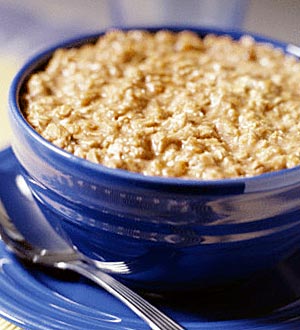
    Oatmeal (Why you should eat it!)


    It's one of the few breakfast foods that is actually good for you that I actually like...You know how it is folks..Most foods that your doctor tells you  you should eat are usually things that you either don't like or bore you at just the thought of partaking.

    Oatmeal is not one of those foods... At least not to me...I have always loved it..You can add a little cinnamon, add sugar, warm milk, raisons, strawberrys, nuts....MMMM Good...And I'm not being funny...I love it..Year round...

    Now, let me tell you why YOU should love it...

    Although oatmeal isn't particularly low on the glycemic index, it outranks almost every other breakfast cereal and most of your  whole-grain breakfast products. Oatmeal is also regarded as a super food when it comes to supporting digestive health. For those reasons, many medical practitioners and nutritionists not only allow their diabetic patients to eat oatmeal but actually encourage it, especially since oatmeal helps maintain normal blood sugar levels.


    Here is why it works: Carbohydrates spend the least amount of time in the stomach, which means you get a quick boost of energy. But unlike processed, sugary cereals, whole oats don't result in a sugar crash. The high dietary fiber content in oats helps you feel full longer, preventing overeating throughout the day, which can lead to weight gain, sluggishness, and fatigue. Fiber is also crucial to healthy digestion; the soluble fiber in oats feeds the beneficial bacteria in your digestive tract and prevents energy-draining constipation.

    In addition to its high fiber content, oatmeal provides magnesium, protein, and phosphorus, three nutrients that significantly and directly affect energy levels, making it an ideal food for fighting fatigue. It's also a good source of vitamin B1 (thiamin), which is crucial for producing energy. Symptoms of too little B1 include a lack of energy and loss of appetite. Along with other nutrients, vitamin B1 helps support the breakdown and conversion to energy of the food we eat.


    Here's when to eat it: Eat oatmeal first thing in the morning for instant energy. Breakfast is especially important because it replenishes energy reserves and sets the tone for your day.

    Here's how to enjoy it: Go old school, minimally processed organic oats, and avoid the instant and flavored varieties. Hint: Look for oats labeled "Scottish," "Irish," "steel-cut," "thick cut," or "Old-fashioned," and you'll be on the right track.

    Enjoy!

    Monday, December 12, 2011

    Apple Bacon Pancakes With Cider Syrup


    Just when you think that there is no other way to fix Pancakes....I run across this recipe given to me by a good friend... Check it out-

    INGREDIENTS:

    1/2 cup(s) apple cider

    3 tablespoon(s) packed light brown sugar, divided

    1 1/2 teaspoon(s) lemon juice

    1 1/2 teaspoon(s) cornstarch

    1/2 cup(s) whole-wheat pastry flour

    1/4 cup(s) all-purpose flour

    2 tablespoon(s) all-purpose flour

    1 teaspoon(s) baking powder

    1/4 teaspoon(s) baking soda

    1 large egg

    1 large egg white

    1/2 cup(s) nonfat buttermilk

    1 medium (about 1 cup) apple, peeled and finely diced

    4 slice(s) bacon, cooked and crumbled

    1 teaspoon(s) canola oil, divided

    DIRECTIONS:


    1.Combine cider, 2 tablespoons brown sugar, lemon juice, and cornstarch in a small saucepan. Bring to a boil over medium heat, whisking, and cook until thickened, 1 to 2 minutes. Set aside.

    2.Whisk whole-wheat flour, all-purpose flour, baking powder, baking soda, and the remaining 1 tablespoon brown sugar in a small bowl. Whisk egg, egg white, and buttermilk in a large bowl. Stir in the dry ingredients, apples, and bacon until just combined. (The batter will be thick.)

    3.Brush a large nonstick skillet with 1/2 teaspoon oil and place over medium heat until hot. Cooking 4 at a time, use about 1/4 cup batter for each pancake and gently spread it to make them about 3 inches in diameter.

    Cook until the edges are dry and bubbles begin to form, about 2 minutes. Flip the pancakes and cook until golden brown, 1 to 2 minutes more. Repeat with the remaining oil and batter, reducing the heat as necessary to prevent burning. Reheat the cider syrup, if desired, and serve with the pancakes.

    Nutritional information is based on 2 pancakes topped with 2 tablespoons of syrup each.


    Carb Servings: 1 1/2 starch, 1/2 fruit, 1 other carbohydrate, 1 fat. Carbohydrate Servings: 3.


    You know what to have to wash this down....enjoy!

    Thursday, August 25, 2011

    Water (For your health!)


    No Recipe today folks...I would like to pass on a health tip about water I found out from a friend.

    This is interesting! I know you need minimum water to flush the toxins out of your body, but this was news to me.

    Correct Time to Drink Water....Very Important
    water
    From A Cardiac Specialist!

    Drinking water at certain time maximizes its effectiveness on the body:


    2 glasses of water after waking up - helps activate internal organs

    1 glass of water 30 minutes before a meal - helps digestion

    1 glass of water before taking a bath - helps lower blood pressure

    1 glass of water before going to bed - avoids stroke or heart attack

    Please pass this to the people you care about......I DID!


    Thursday, May 5, 2011

    6 Sexy Foods That'll Get You In The Mood!


    Normally I might write something like this for my "Saturday 7" recurring post on my other blog, "Keith's Space", but this is only 6 things , not Seven...So I decided what would be better, but a great post for this blog. So for the lovers out there..check this out.


    1.Asparagus...yes...Asparagus-


    You're not alone if those fleshy green spears remind you of...well, you know.

    This veggie's phallic appearance no doubt has something to do with its legendary aphrodisiac status, but the goods are inside, too. Asparagus is rich in vitamin B6 and folate, both of which can boost arousal and orgasm.

    And it also boasts vitamin E, which stimulates sex hormones in both men and women. Yeahhhhhhh!

    2.Avocados..


    I talked about this before...I wrote a post for this blog about Avocados that none of you read or commented on...
    Energy and a healthy libido are crucial for great sex, and avocados can give you both. They're loaded with minerals, monounsaturated fats (the good kind that protect the heart and lower cholesterol), and vitamin B6—all of which help keep your energy and sex drive up.

    They're also a top source of omega-3 fatty acids, which naturally boost your mood, making you more likely to feel ready for bedroom action.

    3.Chilli Peppers

    Okay, tell me that you didn't know about this food? Chili peppers can really spice things up—and not just in your mouth—thanks to capsaicin, a chemical that's been shown to induce the release of endorphins in the brain, which creates a feeling of euphoria. The potential payoff? Enhanced foreplay and hotter sex...Ya gotta love that!


    4.. Chocolates


    I should say enough said...I know that all of the women know that this is an aphrodisiac...This sweet has long been linked with love and sex for good reason. It contains tryptophan, which helps the body produce serotonin, a natural feel-good chemical that may play a role in sexual arousal. Chocolate also offers a hit of phenylethylamine, a stimulant thought to contribute to that lovey-dovey feeling. So, go ahead, indulge a little! (or a lot!!! heh heh heh!!)


    5.Licorice


    I have to admit...I'm not really a fan of Licorice and until I did my research ,I wasn't aware that this was a mood enhancer..This candy (sold conveniently in, um, whips) is thought to mimic the effects of estrogen and progesterone, critical hormones for normal reproductive and sexual function and response. Eating it may help you get in the mood—and stay that way more often.

    Plus, enjoying this candy may reduce symptoms of PMS, a real perk both in and outside the bedroom.

    But note: Don't settle for just any old licorice-flavored candy. Be sure to buy a variety that contains real licorice-root extract.


    Last but not least, number 6. Oysters-


    Another one in which I should say -"Enough said" We all know about this one....
    It's not the slippery feel or the singular taste of oysters that make them a sexy superfood. It's zinc, which oysters are loaded with. The mineral helps the body produce testosterone, a hormone critical in regulating women's and men's libido and sexual function. Research suggests that zinc can improve sperm count and swimming ability, and increase sexual potency in men. For women, zinc may help ovaries—the source of estrogen, progesterone, and some testosterone—stay healthy, keeping you primed for bedroom action.
    So as I say after my recipes....ENJOY!


    Wednesday, April 6, 2011

    The Secret of the Avacado

    Psst! Hey, can I pull your coat about a little known secret?  a certain fruit is good for your love life! No, for real.

    Before heading to the bedroom to get it in with your partner, try dining at your local Mexican restaurant and ordering a side of guacamole.

    Avocados contain vitamin B6 (a nutrient that increases male hormone production) and potassium (which helps regulate a woman's thyroid gland) -- two elements that will enhance the sex lives of both men and women.

    HISTORY

    The avocado (Persea gratissima or P. americana) gets its name from the Latin American Nahuatl word ahuacatl meaning "testicle," an obvious reference to the shape of the fruit. It was discovered in Mexico approximately 291 B.C. The more easily-pronouced name of avocado is attributed to Sir Henry Sloane, who coined it in 1669. The word itself first appeared in American print in 1697.

    Spanish explorers discovered the Aztecs enjoying avocados, but it was long considered a tasteless food. The Aztecs also used avocados as a sexual stimulant. It was the Spanish explorers who brought the avocado to the English.

    The first Florida crops are credited to horticulturist Henry Perrine who planted groves in 1833. However, avocados did not become a commercial crop until the early 1900s. Except in California, Florida, and Hawaii where they were commonly grown, most consumers shied away from the fruit. Finally, in the 1950s, the avocado became popular as a salad item, and consumption became more widespread.

    Okay cool...but you don't come to this site for a history lesson.  I just thought I'd give you a little back up on the history of this fruit.   Did I tell you that Avocados lower cholesterol too? They do!

    Tuesday, March 8, 2011

    Chicken Parmesan Rollatini


    Here is an Italian dish that is certain to impress that woman or that guy that you finally got to come to your place. It's Chicken Parmesan Rollatini. Ahhhh that sounds exotic doesn't it? Check it out-

    INGREDIENTS:

    1 cup fat-free low-sodium chicken broth

    1 clove garlic, thinly sliced

    1 14.5-ounce can crushed San Marzano or fire-roasted tomatoes 5 or 6 fresh basil leaves, torn into small pieces

    Kosher salt and freshly ground pepper

    4 thin (1/8-inch-thick) chicken cutlets (4 ounces each)

    1/4 cup chopped fresh parsley

    6 ounces shredded part-skim mozzarella cheese (about 1 cup)

    1/4 cup grated parmesan cheese

    1/4 cup breadcrumbs

    1 large egg white

    Cooking spray

    Instant polenta, for serving (optional)

    DIRECTIONS:

    Position a rack in the upper third of the oven and preheat to 450 degrees F. Cook the broth, garlic, tomatoes and basil in a skillet over medium-high heat, stirring occasionally, until slightly thickened, about 15 minutes. Season with salt and pepper. Cover to keep warm.


    Season the chicken with salt and pepper; place smooth-side down on a work surface. Sprinkle with the parsley and mozzarella. Starting at the short end, roll up to enclose the filling. Secure with a toothpick.


    Mix the parmesan and breadcrumbs in a shallow dish. Put the egg white in another dish and beat until foamy.


    Mist a cast-iron skillet with cooking spray. Dip the chicken rolls in the egg white, then coat with the breadcrumb mixture. Place in the skillet, seam-side down. Sprinkle with any remaining breadcrumbs and mist with cooking spray. Bake until cooked through, about 20 minutes. Serve with the tomato sauce, and polenta, if desired.


    Per serving: Calories 355; Fat 14 g (Saturated 7 g); Cholesterol 105 mg; Sodium 848 mg; Carbohydrate 15 g; Fiber 2 g; Protein 44 g

    May I add...Serve this with a sweet white wine. Enjoy!

    Wednesday, March 2, 2011

    Grain & Nut Whole Wheat Pancakes


    In Honor of National Pancake Day...(Which was yesterday, but I'm celebrating it the rest of the week...don't tell anyone! ) Here is a healthy ,yet good Pancake Recipe I'm sure you'll like.

    Ingredients

    1 1/2 cups old-fashioned oatmeal (Yes...Oatmeal...Really!)

    1 1/2 cups whole wheat flour

    2 teaspoons baking soda

    1 teaspoon baking powder

    1/2 teaspoon salt

    1 1/2 cups buttermilk

    1 cup milk

    1/4 cup vegetable oil

    1 egg

    1/3 cup sugar

    3 tablespoons chopped walnuts (optional)


    DIRECTIONS:

    1.Grind the oats in a blender or food processor until fine. In a large bowl, combine ground oats, whole wheat flour, baking soda, baking powder, and salt.

    2.In another bowl, combine buttermilk, milk, oil, egg, and sugar with an electric mixer until smooth. Mix wet ingredients into dry with a few swift strokes. Stir in nuts, if desired.

    3.Lightly oil a skillet or griddle, and preheat it to medium heat. Ladle 1/3 cup of the batter onto the hot skillet; cook the pancakes for 2 to 4 minutes per side, or until brown.

    Nutritional Information

    Amount Per Serving Calories: 383 | Total Fat: 15.5g | Cholesterol: 41mg

    Very Healthy and Very Good too! Enjoy!

    Food Safety Tips
    Protect yourself against food-borne illnesses.


    1. Use a "refrigerator thermometer" to keep your food stored at a safe temperature (below 40 degrees fahrenheit).

    Cold temperatures slow the growth of bacteria. Ensuring that your refrigerator temperature stays at 40 degrees Fahrenheit or colder is one of the most effective ways to reduce your risk of food-borne illness. You can buy a refrigerator/freezer thermometer at appliance stories, home centers (i.e. Home Depot), and kitchen stores including online ones, such as Cooking.com.

    2. Defrost food in the refrigerator, the microwave, or in cold water... never on the counter!

    Perishable foods should never be thawed on the counter for longer than two hours because, while the center of the food may remain frozen, the outer surface may enter the Danger Zone, the range of temperatures between 40 and 140 degrees fahrenheit, in which bacteria multiply rapidly. If you’re short on time, use the microwave or you can thaw meat and poultry in airtight packaging in cold water. Change the water every half-hour so it stays cold and use the thawed food immediately.

    3. Always use separate cutting boards for raw meat/poultry/fish and cooked foods/fresh produce.

    Bacteria from uncooked meat, poultry, and fish can contaminate cooked foods and fresh produce. An important way to reduce this risk is to use separate cutting boards for raw meat/poultry/ fish, and cooked foods/fresh produce.

    4. Always cook meat to proper temperatures, using a calibrated instant-read thermometer to make sure.

    One effective way to prevent illness is to use a food thermometer to check the internal temperature of meat, poultry, and egg dishes. The USDA Recommended Safe Minimum Internal Temperatures are as follows:

    * Beef, veal, and lamb (steaks and roasts), fish - 145 degrees fahrenheit

    * Pork and ground beef - 160 degrees fahrenheit

    * Poultry - 165 degrees fahrenheit.

    Cook meats like roasts and steaks to lower temperatures, closer to medium-rare, so that they retain their moisture. It is recommended that those who are at high risk for developing food-borne illness (i.e. pregnant women and their unborn babies, newborns, young children, older adults, people with weakened immune systems, or certain chronic illnesses) should follow the USDA guidelines.

    5. Avoid unpasteurized/raw milk and cheeses made from unpasteurized milk that are aged less than 60 days.

    Raw milk is milk from cows, sheep, or goats that has not been pasteurized (heated to a very high temperature for a specific length of time) to kill harmful bacteria that may be present. These bacteria, which include salmonella, E. coli and listeria, can cause serious illness and sometimes even death. The bacteria in raw milk can be especially dangerous to pregnant women, children, the elderly, and people with weakened immune systems or chronic illnesses. Raw milk cheeses aged 60 days or longer are okay, since the salt and acidity of the cheese-making process make for a hostile environment to pathogens.

    6. Never eat "runny" eggs or foods, such as cookie dough, that contain raw eggs.

    Even eggs that have clean, intact shells may be contaminated with salmonella, so it’s important to cook eggs thoroughly until both the yolk and the white are firm. Casseroles and other dishes containing eggs should be cooked to 160 degrees fahrenheit and you can use an instant-read food thermometer to check. Eggs should always be cooked fully and those who are at high risk for developing foodborne illness (pregnant women and their unborn babies, newborns, young children, older adults, and people with weakened immune systems or certain chronic illnesses should follow the USDA guidelines. If you can’t resist runny eggs or sampling cookie batter, use pasteurized eggs. They’re found near other eggs in large supermarkets.

    7. Always wash your hands in warm soapy water for at least 20 seconds before handling food and after touching raw meat, poultry, or eggs.

    You can pick up a lot of bacteria out in the world, so it’s important to always wash your hands before you eat or prepare food. You should also wash your hands after touching any uncooked meat, poultry, fish, or eggs, as the bacteria from these foods can contaminate cooked foods and fresh produce. Use soap and warm water and wash thoroughly for at least 20 seconds.

    8. Always heat leftover foods to 165 degrees fahrenheit.

    The USDA recommends heating all cooked leftovers to 165 degrees fahrenheit in order to kill all potentially dangerous bacteria.

    9. Never eat meat, poultry, eggs, or sliced fresh fruits and vegetables that have been left out for more than two hours or more than one hour in temperatures hotter than 90 degrees Fahrenheit.

    If you leave perishable foods out of the refrigerator or freezer for more than two hours they may enter the Danger Zone—the unsafe temperatures between 40 and 140 degrees Fahrenheit, in which bacteria multiply rapidly.

    10. Whenever there’s a food recall, check products stored at home to make sure they are safe.

    You should discard any food that’s been recalled because it’s associated with the outbreak of a food-borne illness. But, according to a survey conducted by Rutgers University during the fall of 2008, only about 60% of Americans search their homes for foods that have been recalled because of contamination. For more information on food recalls, visit the website Recalls.gov


    Cavier & Vodka
    Courtesy of The Lady (Bug) of the Household